How to Get Rich Quickly by Investing in Plastic Bag Production in Africa
How to Get Rich Quickly by Investing in Plastic Bag Production in Africa
Introduction to the Plastic Bag Market in Africa
The plastic bag market in Africa is experiencing significant growth, driven by various factors that present lucrative opportunities for investors. As urbanization continues to rise and populations expand, the demand for convenient and cost-effective packaging solutions, such as plastic bags, is becoming increasingly apparent. Used extensively across multiple sectors, from retail to agriculture, plastic bags serve as essential tools for transporting goods and preserving products. This surge in demand underscores the critical role that polyethylene materials and plastic film products play in everyday life in Africa.
Furthermore, many countries in Africa are witnessing a notable shift towards local production of plastic bags. Investing in a plastic bag making machine becomes a strategic business decision, as it allows manufacturers to cater to local markets while reducing dependency on imports. This local production not only shortens supply chains but also leads to job creation, contributing to economic growth. The blown film extrusion process utilized in producing these plastic products is increasingly popular due to its efficiency and capability to yield a variety of bag types. Entrepreneurs can leverage this technology to produce customized, high-quality plastic bags that meet local market needs.
Amidst this growth, sustainability and innovation have emerged as critical themes in the plastic industry. As consumers become more conscious of environmental issues, the demand for eco-friendly alternatives is rising. This trend encourages investments in research and development of biodegradable options or recycling methods. This multifaceted approach to production, focusing on sustainability, positions investors favorably in the evolving marketplace. With these dynamics at play, the plastic bag market in Africa not only promises substantial returns but also fosters the potential for impactful change in local economies and communities.
Understanding the Investment Costs and Profit Potential
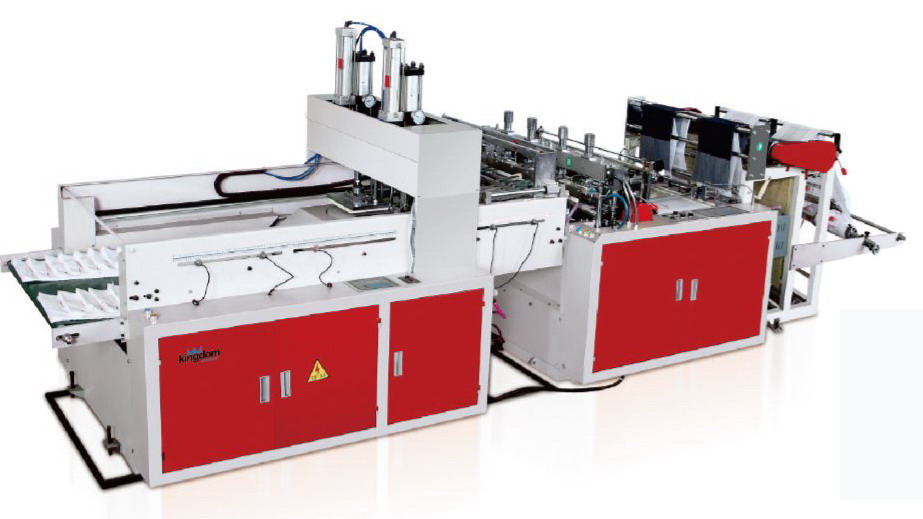
Starting a plastic bag production business in Africa can be an enticing opportunity, particularly when analyzing the investment costs and profit potential associated with this industry. The initial investment is predominantly focused on acquiring a plastic bag making machine, which is essential for producing high-quality polyethylene plastic film. The cost of a reliable machine can be approximately US$20,000, depending on the capabilities and specifications required for the intended production scale.
Beyond the initial machinery investment, entrepreneurs must consider operational costs, which typically encompass raw materials, labor, electricity, maintenance, and other overhead expenses. The cost of raw materials, such as polyethylene, fluctuates based on market conditions but remains a significant factor in overall expenses. Additionally, labor costs will vary based on local wage rates as well as the number of employees required to operate the machinery efficiently.
The potential profits generated from a plastic bag production venture are substantial. By producing approximately 1 ton of plastic bags per day, businesses can yield profits ranging from US$200 to US$300 daily. This impressive profit margin underscores the lucrative nature of the plastic bag manufacturing sector. Moreover, considering a well-structured business model, investors could anticipate recovering their initial investment within a relatively short timeframe, potentially translating into a desirable return on investment.
The journey toward wealth through this venture involves a careful assessment of both initial and operational costs, along with realistic projections of profits. Accelerated profitability can be achieved by optimizing production processes and effectively managing resources. In conclusion, with the right approach and adherence to best practices in plastic bag production, the prospects of financial gain are promising in Africa’s evolving market landscape.
The Steps to Start Your Plastic Bag Production Business
Starting a plastic bag production business in Africa involves several crucial steps that aspiring entrepreneurs must follow to ensure success. First and foremost, conducting thorough market research is essential. This step helps identify potential demand for plastic bags, particularly those made from polyethylene, and reveals competitor dynamics in the area. Entrepreneurs should consider factors such as customer preferences, local pricing, and the types of plastic bags that are most in demand, including grocery bags, trash bags, and specialty bags.
Once market research is completed, the next step is to secure financing. This is critical for purchasing equipment such as a plastic bag making machine, which is pivotal in the production process. Various financing options may be available, including bank loans, government grants, or private investors. A solid business plan outlining startup costs, operational expenses, and revenue projections makes it easier to attract potential investors.
After securing financing, selecting the right machinery and suppliers is vital. The production process typically involves blown film extrusion technology for creating high-quality plastic film, which is then converted into plastic bags. Entrepreneurs should research reputable suppliers of both machinery and raw materials, ensuring they meet industry standards and offer competitive prices. This step can significantly affect product quality and production efficiency.
Compliance with local regulations and environmental guidelines is another critical step. Entrepreneurs must ensure that their operations adhere to local laws regarding plastic production and waste management to avoid legal consequences and foster sustainability. This might involve obtaining necessary permits and conducting regular environmental impact assessments.
Lastly, developing a robust marketing strategy is essential for launching the business successfully. This includes branding, creating an online presence, and leveraging social media to promote products. Building partnerships and networking within the industry can provide valuable insights and opportunities, facilitating growth and establishing a foothold in the market.
Challenges and Solutions in the Plastic Bag Industry
The plastic bag industry, particularly in Africa, presents multiple challenges that entrepreneurs must navigate to succeed. One significant issue is competition among numerous manufacturers, many of whom may employ low-cost production methods. This competitive landscape can lead to price wars, ultimately affecting profit margins. To mitigate this risk, businesses can invest in a plastic bag making machine equipped with advanced technology that enhances productivity and quality. By focusing on high-quality polyethylene products, entrepreneurs can carve out a niche market that attracts environmentally conscious consumers.
Regulatory hurdles also play a crucial role in the plastic industry. Many African countries are implementing stricter regulations on plastic usage, primarily due to environmental concerns. This creates uncertainty for investors in plastic bag production. As a solution, businesses should engage proactively with local governments to stay informed about the policies affecting the industry. This relationship can prove beneficial in securing necessary permits and understanding what sustainable practices can be adopted. Plastic bag making machine can use biodegradable materials or developing recyclable plastic film to produce biodegradable bag,recycle bag, will likely gain a competitive advantage.
Environmental issues associated with plastic waste have escalated, creating a pressing challenge for plastic bag producers. However, this challenge also opens avenues for innovation. Entrepreneurs can develop products with unique selling points, such as eco-friendly bags or those made from recycled materials. By offering alternatives to traditional plastic bags, businesses not only differentiate their products but also cater to the growing market demand for sustainable options. Emphasizing the importance of innovation in product development can turn environmental concerns into marketing advantages, allowing production facilities to thrive even amid adversity. In conclusion, while the plastic bag production sector in Africa faces substantial challenges, strategic solutions focused on quality, compliance, and innovation can pave the way for success.